Top Tech Trends to Watch in 2025 (Complete Guide)
The year 2025 marks a major shift in how technology blends into everyday life. Instead of dramatic, hard-to-understand innovations, modern tech is becoming smarter, quieter, and more human-centric. From invisible artificial intelligence to always-connected smartphones, the focus is now on speed, reliability, privacy, and user control.
This Tech Trends HUB is designed as a central explainer for the most important technology trends of 2025. Each section gives you a beginner-friendly yet in-depth explanation, practical examples, and direct internal links to detailed guides. If you want to understand what’s changing in smartphones, connectivity, networking, and digital privacy—this is your one-stop resource.
Table of Contents
- Artificial Intelligence Becomes Invisible
- Next-Gen Connectivity: 5G, RCS & Satellite
- Smartphone Hardware & SIM Evolution
- Storage & Performance Advancements
- Wi-Fi, DNS & Modern Networking
- Privacy, Security & User Control
- What These Trends Mean for the Future
1. Artificial Intelligence Is Becoming Invisible in Daily Life
Artificial Intelligence in 2025 is no longer something users actively "open" or "launch." Instead, AI works silently in the background, improving experiences without demanding attention. This shift—from visible AI tools to embedded intelligence—is one of the most important tech trends of the decade.
AI now powers smartphone cameras, voice typing, spam detection, recommendation engines, navigation apps, and even battery optimization. For example, your phone automatically adjusts performance based on usage patterns, and your email filters spam with near-perfect accuracy—all powered by AI models running behind the scenes.
In workplaces, AI assists rather than replaces humans. Content drafting, data analysis, customer support replies, and scheduling are increasingly AI-assisted. The goal is productivity, not complexity.
If you want a deeper understanding of how AI tools are reshaping jobs, apps, and digital workflows, explore this dedicated hub:
AI Tools & the Future of Work (Complete Guide)
SEO insight: In 2025, search engines prioritize content that explains AI in practical terms. Pages focusing on real-world examples perform better than abstract definitions.
2. Next-Generation Connectivity Is Redefining Communication
Connectivity is the backbone of modern technology, and 2025 is a landmark year for network evolution. Faster speeds, lower latency, and broader coverage are transforming how devices communicate—not just with towers, but with satellites and cloud services.
5G Expansion and Real-World Benefits
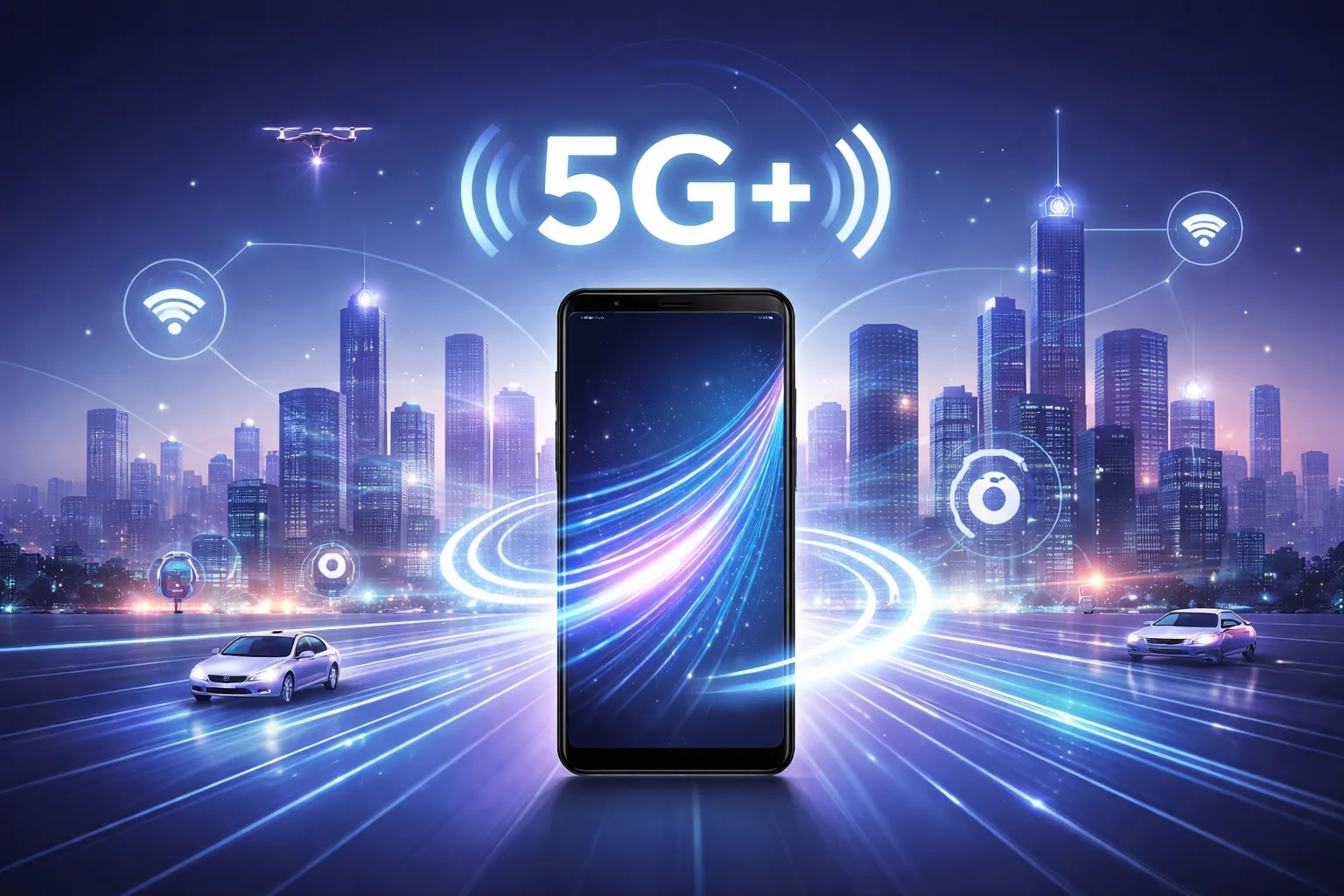
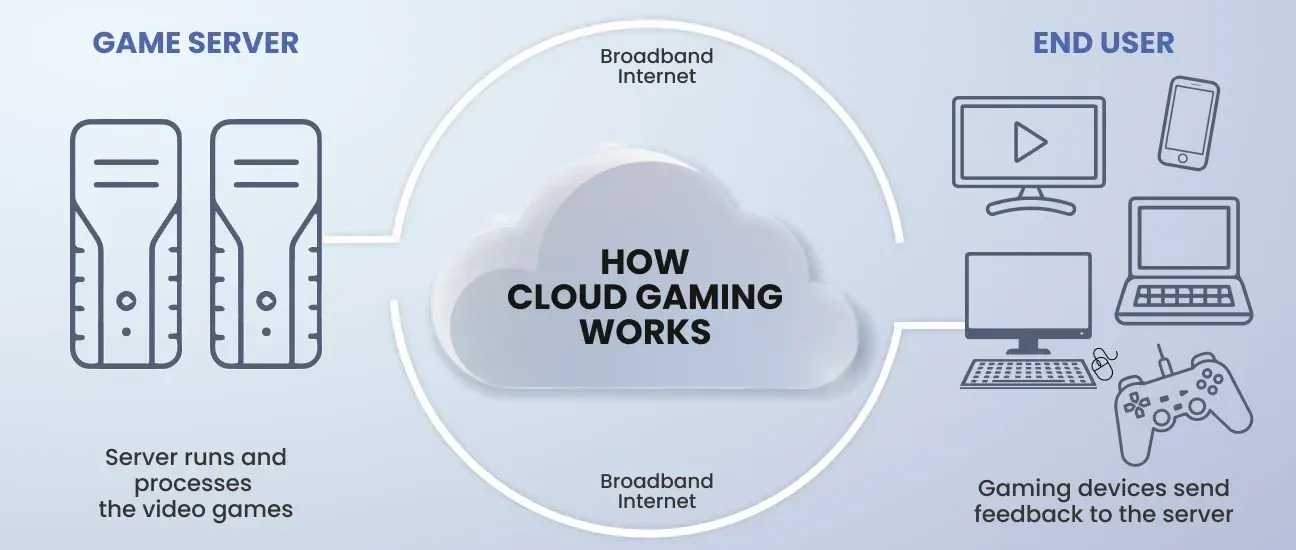
By 2025, 5G technology has moved beyond marketing hype into real-world usefulness. It enables smoother video calls, faster downloads, cloud gaming, and real-time collaboration.
Unlike 4G, 5G supports massive device connectivity, making it ideal for smart cities, IoT devices, and autonomous systems. Latency improvements also mean faster response times for apps and online services.
What Is 5G Technology? Simple 2025 Explanation
RCS Messaging Replaces Traditional SMS
Rich Communication Services (RCS) is quietly replacing SMS on Android devices. It brings features users expect from modern messaging apps—read receipts, typing indicators, high-quality media sharing, and better security.
Unlike third-party apps, RCS works directly with your phone number, making it the natural successor to SMS.
What Is RCS Messaging on Android?
Satellite Messaging and Emergency Connectivity
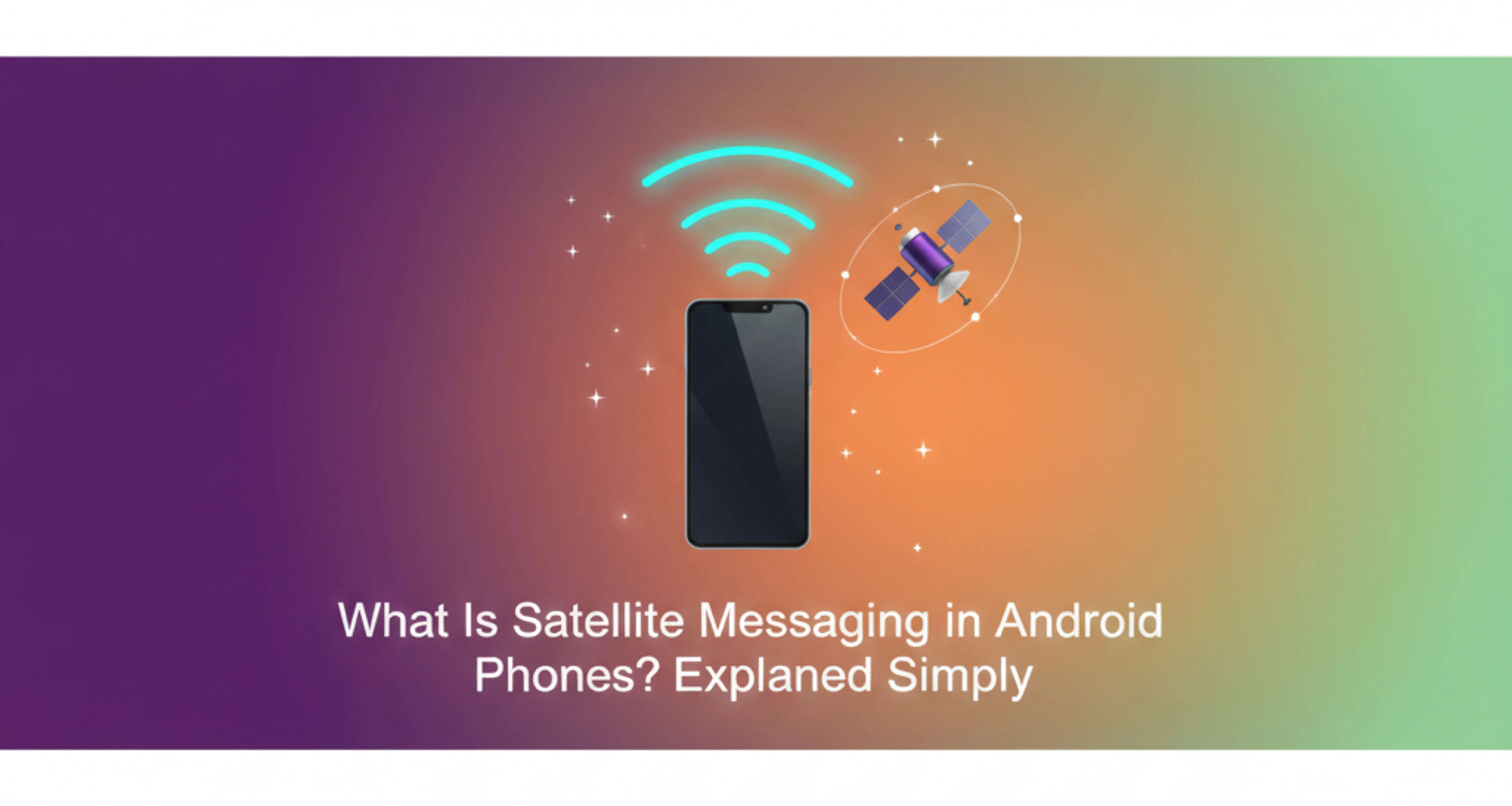
One of the most revolutionary trends of 2025 is satellite connectivity in smartphones. Devices can now send emergency messages even when there is no mobile network coverage.
This technology is especially useful in remote areas, during disasters, or while traveling. While currently limited in speed and availability, satellite messaging represents the future of truly global connectivity.
Satellite Messaging Explained Simply
Satellite Connectivity in Smartphones (Full Guide)
3. Smartphones Are Evolving Beyond Specs
In 2025, smartphones are no longer judged only by camera megapixels or processor scores. The focus has shifted to efficiency, connectivity, and long-term usability.
eSIM Adoption Goes Mainstream
eSIM technology is replacing physical SIM cards across flagship and mid-range devices. An eSIM is embedded directly into the phone, allowing users to activate mobile plans digitally.
This makes switching carriers easier, improves water resistance, and supports multiple profiles—especially useful for international travel.
What Is eSIM and How It Works in India (2025)
For Indian users, eSIM adoption is growing rapidly as carriers improve support and awareness increases.
4. Faster Storage Is Improving Everyday Performance
Storage speed directly affects how fast apps open, how smoothly multitasking works, and how responsive a device feels. In 2025, smartphones are transitioning to newer, faster storage standards.
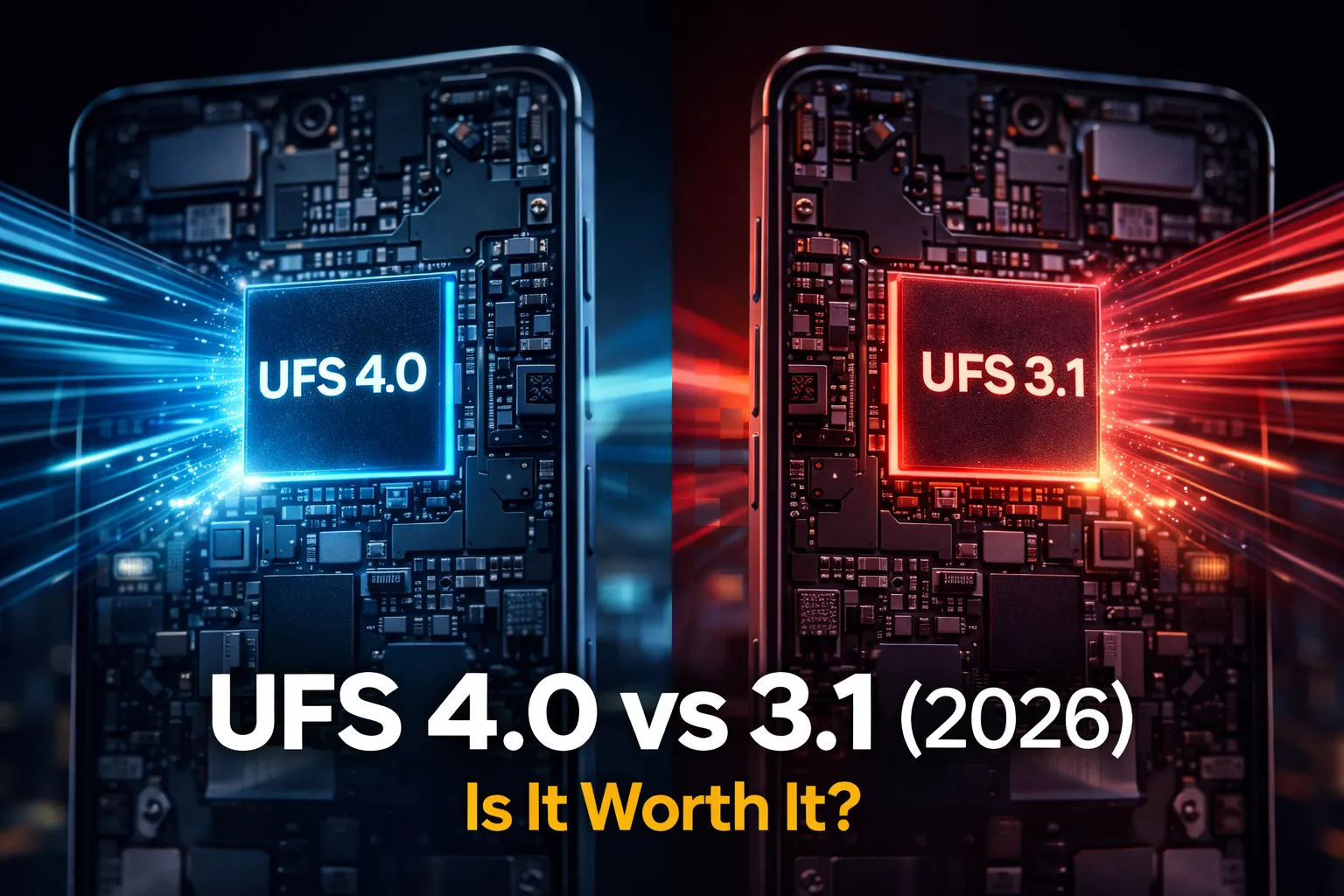
UFS Storage Evolution
Universal Flash Storage (UFS) has become the standard for modern smartphones. The move from UFS 3.1 to UFS 4.0 brings faster read/write speeds, better power efficiency, and improved thermal management.
For users, this means quicker app launches, faster file transfers, and smoother gaming experiences.
UFS 3.1 vs UFS 4.0: Simple Comparison
SEO tip: Hardware explainers with real-life impact examples rank better than pure specification lists.
5. Wi-Fi and Networking Are Becoming Smarter
Home and office networking has become critical due to remote work, streaming, gaming, and smart homes. In 2025, networking standards are designed for stability—not just raw speed.
Wi-Fi 6, 6E, and Wi-Fi 7
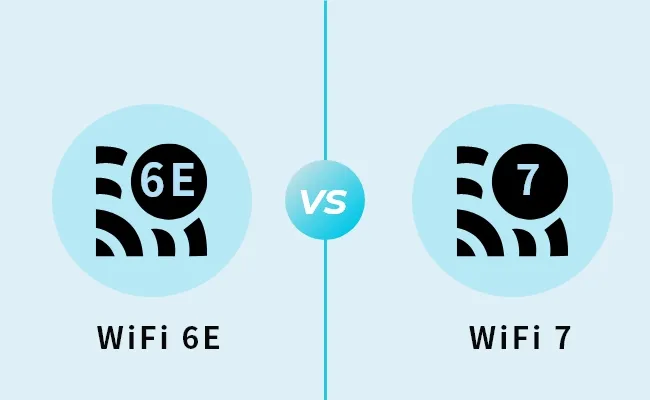
Wi-Fi 6E and Wi-Fi 7 bring better performance in crowded environments, lower latency, and improved bandwidth handling. These upgrades are essential for homes with multiple connected devices.
Wi-Fi 6 vs 6E vs Wi-Fi 7 Explained
Private DNS and Secure Browsing
As privacy awareness increases, more users are enabling Private DNS. It prevents ISPs and third parties from tracking DNS queries, improves security, and can even speed up browsing.
What Is Private DNS & Should You Use It?
6. Privacy, Security & Digital Control
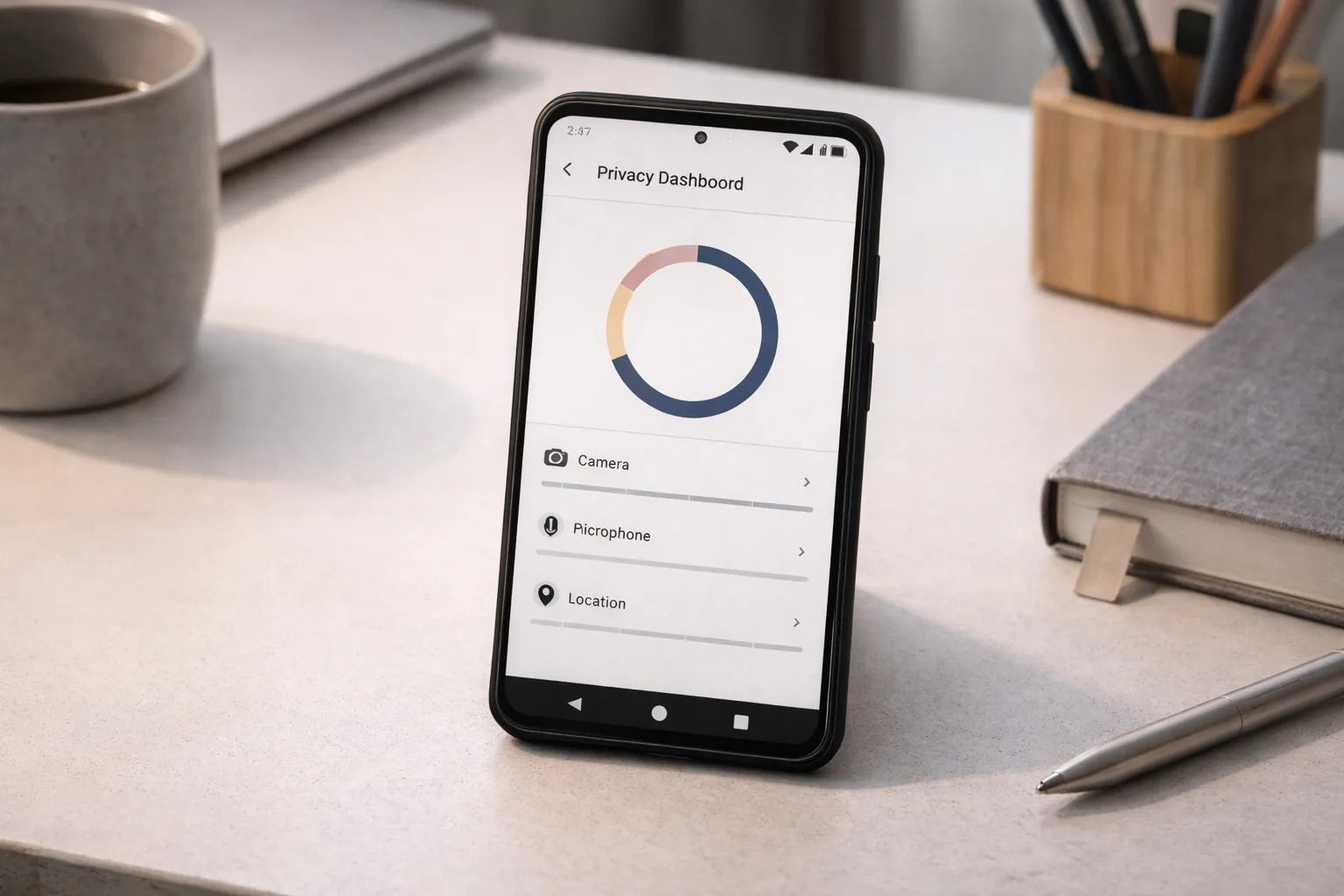
In 2025, privacy is no longer optional. Users expect transparency, encryption, and control over their data. Operating systems now provide detailed permission dashboards, background activity controls, and stronger encryption by default.
Secure messaging, encrypted DNS, biometric authentication, and on-device AI processing are all part of this shift.
Companies that prioritize privacy are gaining long-term trust, while those that misuse data are losing users rapidly.
7. What These Tech Trends Mean for the Future
The biggest takeaway from 2025 tech trends is simplicity. Technology is becoming more powerful while demanding less effort from users.
AI works silently, networks stay connected even in emergencies, smartphones adapt to user behavior, and privacy tools are built-in rather than optional.
This Tech Trends HUB (D) acts as your central reference point. Each linked guide dives deeper into individual topics, helping you stay informed without feeling overwhelmed.
Final Thoughts
Technology in 2025 is about balance—speed with security, intelligence with privacy, and innovation with usability. Whether you are a casual user, developer, or tech enthusiast, understanding these trends helps you make better decisions.
Bookmark this page as your Tech Trends HUB and explore the detailed explainers linked above to stay ahead in the digital world.