Best AI-Powered Fitness Apps to Stay Healthy in 2026
Updated for 2026: This guide includes the latest AI-powered fitness apps with smarter coaching, improved personalization, and better health tracking.
Staying healthy in 2026 is no longer just about motivation or discipline — it’s about using the right technology at the right time. AI-powered fitness apps are transforming how people exercise, eat, recover, and manage overall well-being.
These apps use artificial intelligence to analyze your habits, body data, performance, and lifestyle patterns to deliver personalized workouts, adaptive nutrition plans, recovery insights, and real-time feedback.
Whether your goal is fat loss, muscle gain, mental wellness, or simply staying active with a busy schedule, AI fitness apps can adapt to you — not the other way around.
To understand how AI is transforming productivity beyond fitness, explore this guide: AI Tools Changing the Future of Work.
Table of Contents
- How AI Is Transforming Fitness in 2026
- Key Benefits of AI-Powered Fitness Apps
- Freeletics – Best AI Workout App for Consistency
- Fitbod – Smart Strength Training with AI
- Future Fitness – AI + Human Coaching
- Woebot – AI for Mental Fitness
- MyFitnessPal – AI Nutrition & Calorie Tracking
- AI Fitness Apps and Wearable Integration
- Future Trends in AI Fitness Apps
- Final Verdict
How AI Is Transforming Fitness in 2026
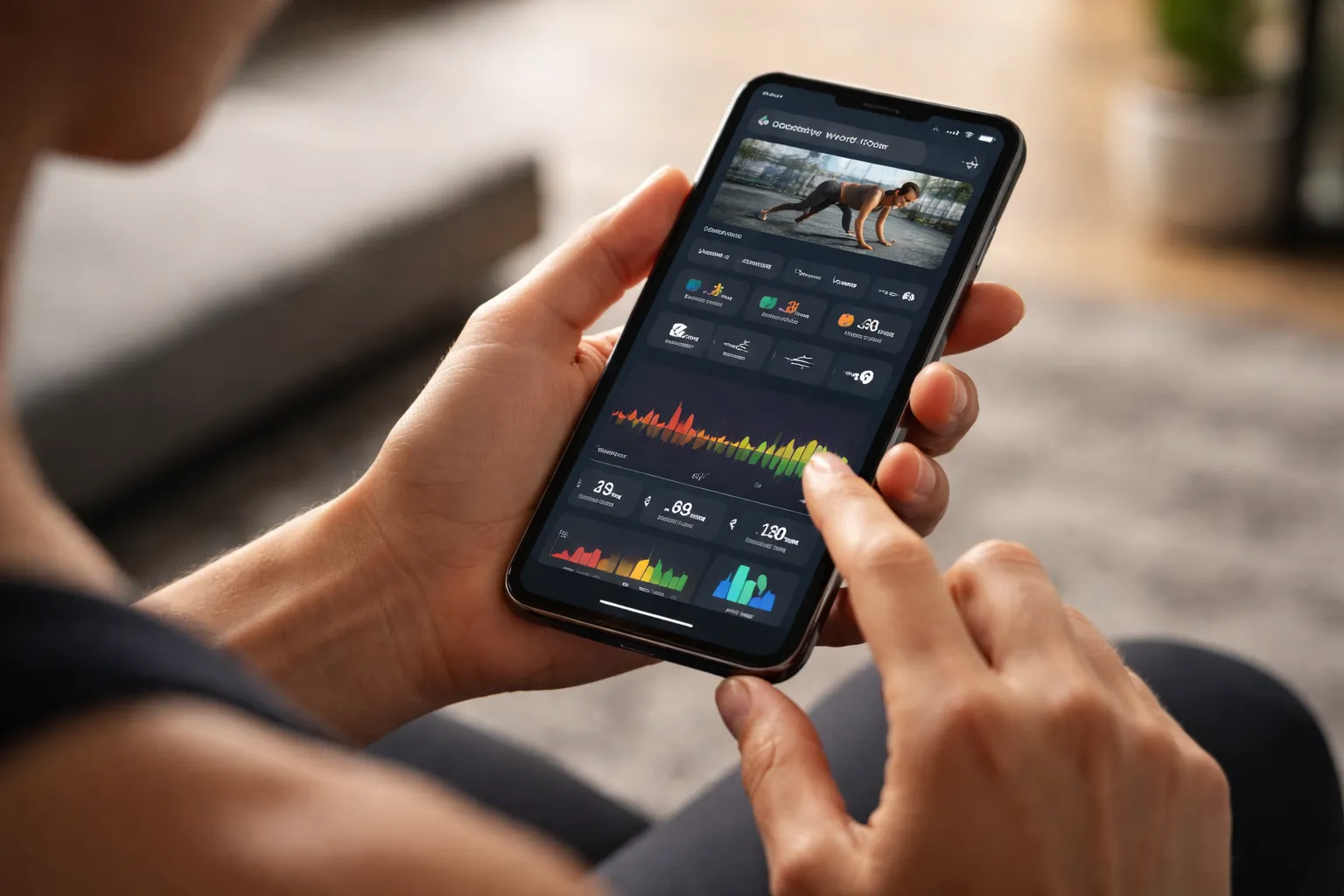
In 2026, AI-powered fitness apps have evolved far beyond simple step counting or generic workout plans. Modern fitness apps now act like intelligent personal trainers that learn from your body, habits, and lifestyle to deliver truly personalized health experiences.
These apps continuously analyze multiple data points, including your workout history, body metrics, recovery patterns, sleep quality, stress levels, and daily consistency. Instead of following fixed routines, AI adapts your fitness plan in real time based on how your body responds.
- Workout performance and training history
- Heart rate, calories burned, and recovery status
- Sleep quality, fatigue, and stress indicators
- Behavior trends and long-term consistency
Using this data, AI automatically adjusts workout intensity, exercise selection, rest days, and even nutrition recommendations. If you’re feeling tired or recovering from a tough session, the app may reduce intensity or suggest active recovery. On high-energy days, it can push you harder for better results.
This intelligent adaptation removes guesswork from fitness. You no longer need to wonder whether you’re training too much or too little — AI makes data-backed decisions for you. As a result, users experience better consistency, fewer injuries, and more sustainable progress.
AI fitness apps are especially valuable for people with busy or unpredictable schedules. Whether you have 15 minutes or a full hour, the app can instantly design an effective workout that fits your available time without compromising results.
This efficiency-first approach mirrors how AI is improving productivity across everyday life. To understand how artificial intelligence helps people save time beyond fitness, read our guide: How to Use AI Tools to Save Time.
In short, AI is transforming fitness in 2026 by making workouts smarter, more flexible, and deeply personalized — helping people stay healthier without adding extra stress to their daily routines.
Key Benefits of AI-Powered Fitness Apps
AI-powered fitness apps offer far more than basic workout tracking. In 2026, these apps use intelligent algorithms to create personalized fitness experiences that adapt to your body, goals, and daily routine. This makes staying healthy easier, smarter, and more sustainable for users at every fitness level.
- Personalized training: AI continuously adjusts workouts based on your performance, energy levels, and recovery status, ensuring you progress at the right pace without feeling overwhelmed.
- Injury prevention: By tracking muscle fatigue and recovery patterns, AI helps prevent overtraining and reduces the risk of injuries caused by pushing too hard or skipping rest.
- Time efficiency: AI fitness apps design short but effective workouts, making them ideal for busy schedules where long gym sessions aren’t always possible.
- Data-driven motivation: Real-time progress tracking, performance insights, and measurable results keep users motivated and accountable over the long term.
- Holistic wellness: Modern AI fitness apps go beyond workouts by combining fitness, nutrition guidance, sleep tracking, and mental health support into one connected system.
One of the biggest advantages of AI-powered fitness apps is consistency. Because workouts adapt to how you feel each day, users are more likely to stick with their routines instead of quitting due to burnout or unrealistic plans.
AI also removes guesswork. Instead of relying on generic advice, these apps use real data from your activity and habits to make smart recommendations. This leads to safer training, better recovery, and more noticeable results over time.
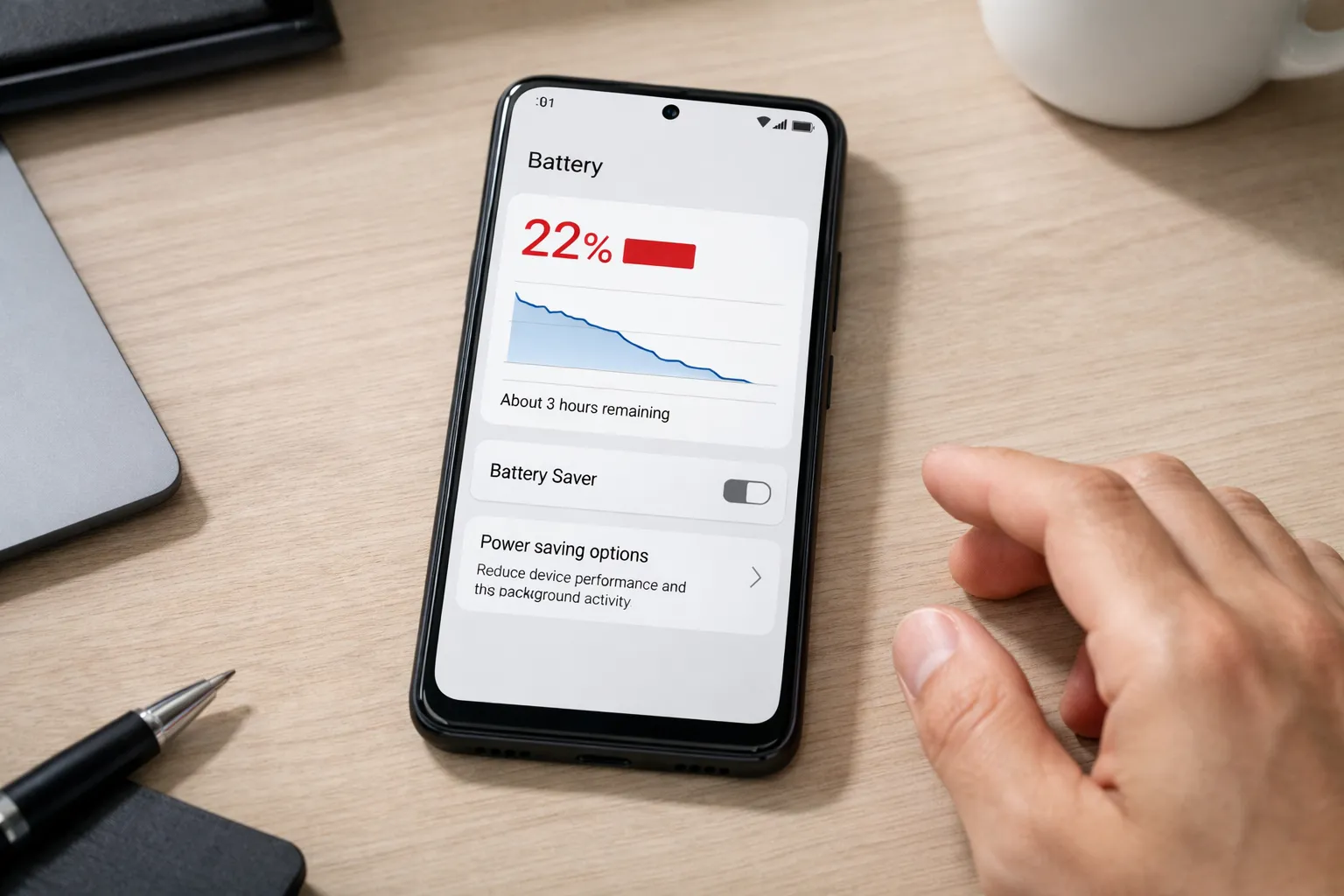
Since many AI fitness apps run in the background and sync with wearables, it’s important to keep your phone optimized. If you notice faster battery drain, check this guide: Apps That Drain Battery in Background on Android.
Overall, AI-powered fitness apps in 2026 provide a balanced, intelligent approach to health by combining personalization, efficiency, and long-term wellness in a single platform.
1. Freeletics – Best AI Workout App for Consistency
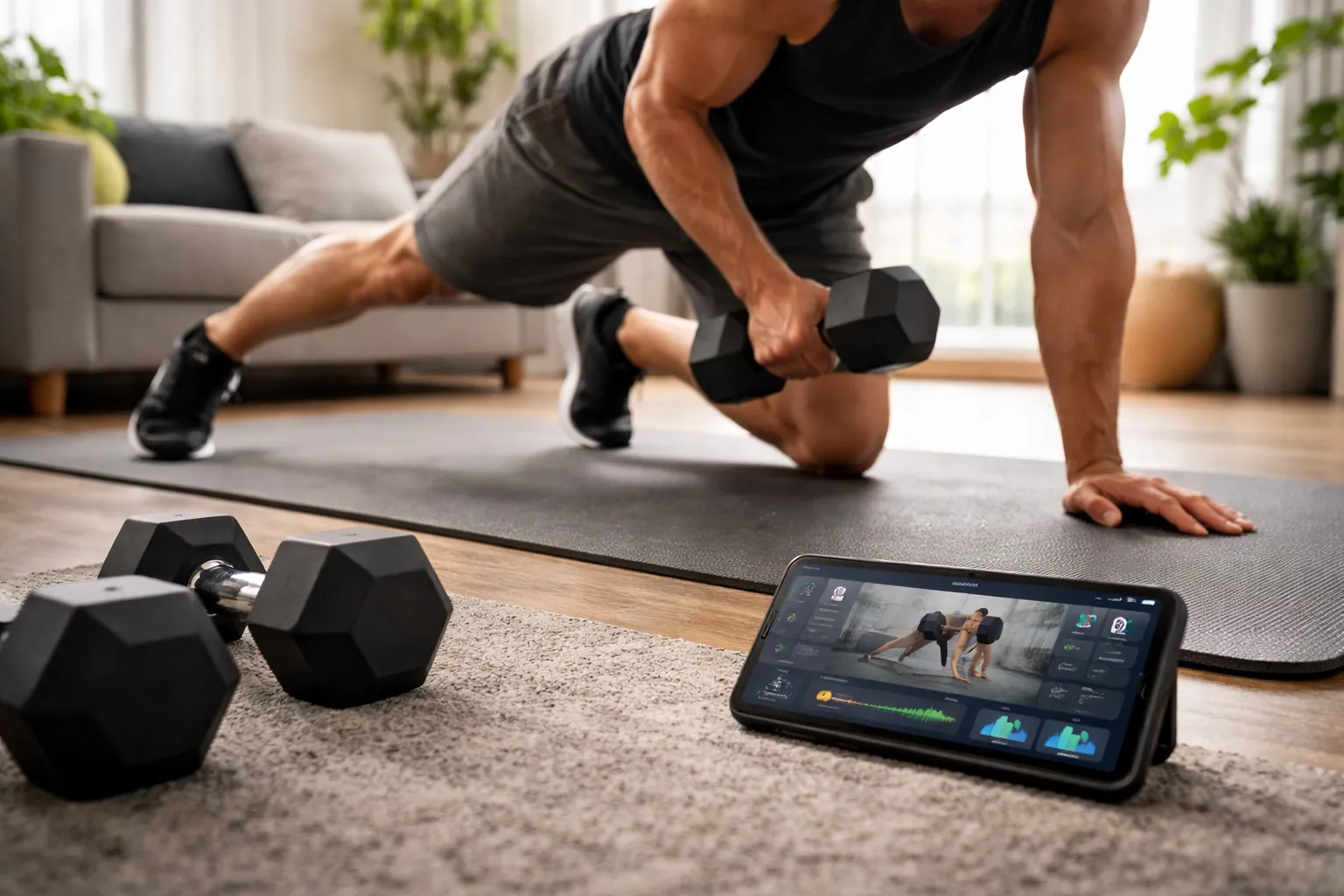
:contentReference[oaicite:0]{index=0} is one of the most trusted AI-powered fitness apps in 2026, especially for users who struggle with consistency. Instead of forcing rigid workout schedules, Freeletics uses artificial intelligence to adapt workouts around your lifestyle, fitness level, and available time.
The app begins by understanding your goals — whether it’s weight loss, muscle building, endurance, or overall fitness. Based on your inputs and ongoing performance, its AI coach designs structured workouts that evolve as you progress. This ensures you’re always challenged without feeling overwhelmed.
Key features:
- AI-generated workout plans tailored to your goals
- Bodyweight and gym-based workout options
- Adaptive difficulty that adjusts after every session
- Minimal or no equipment required for most routines
One of Freeletics’ biggest strengths is flexibility. If you have only 15–20 minutes on a busy day, the app automatically suggests a shorter, high-impact workout. On days when you have more time and energy, it increases intensity to maximize results.
The AI also learns from your feedback. If a workout feels too easy or too intense, Freeletics adjusts future sessions accordingly. This real-time adaptation helps users stay motivated while reducing the risk of burnout or injury.
Freeletics is particularly effective for people who prefer training at home, travel frequently, or don’t want to rely on gym equipment. Its structured yet flexible approach makes it easier to build a long-term fitness habit instead of jumping between random workout plans.
Best for: Beginners starting their fitness journey, busy professionals with limited time, and anyone looking for a consistent, AI-guided workout routine that fits into daily life.
2. Fitbod – Smart Strength Training with AI
Fitbod is a powerful AI-driven fitness app designed specifically for strength training and muscle building. Unlike generic workout apps that follow fixed routines, Fitbod uses artificial intelligence to create workouts based on how your muscles recover between training sessions.
The app analyzes your workout history, exercise performance, and recovery patterns to determine which muscle groups should be trained next. This approach helps you build strength more efficiently while reducing the risk of overtraining and injury.
Key features:
- Muscle recovery tracking using AI
- Strength and hypertrophy-focused workout plans
- Automatic workout progression based on performance
- Flexible home and gym workout modes
One of Fitbod’s biggest advantages is its intelligent progression system. As you lift heavier weights or complete more reps, the app gradually increases intensity. On days when your body needs recovery, it automatically adjusts workout volume and exercise selection to support proper rest.
Fitbod is also highly adaptable to your environment. Whether you train at a fully equipped gym or prefer home workouts with dumbbells or resistance bands, the app creates effective routines based on the equipment you have available.
For users focused on muscle growth, Fitbod removes the guesswork from strength training. You don’t need to plan splits, track recovery manually, or worry about balancing muscle groups — the AI handles everything using proven training principles.
Since Fitbod frequently syncs workout data and may run in the background, some users may notice increased battery usage. If that happens, you can optimize your phone by checking this guide: Apps That Drain Battery in Background on Android.
Best for: Gym users, strength-training enthusiasts, and anyone focused on building muscle safely and efficiently with AI-powered workout planning.
3. Future Fitness – AI + Human Coaching
Future Fitness takes a unique approach to health and training by combining artificial intelligence with real, certified personal trainers. Instead of relying only on automated workout plans, this app blends smart AI insights with human expertise to deliver a premium and highly personalized fitness experience.
When you join Future Fitness, you are paired with a dedicated human coach who understands your goals, lifestyle, and limitations. Behind the scenes, AI handles workout optimization, scheduling, progress tracking, and performance analysis. This allows the coach to focus on guidance, motivation, and long-term strategy rather than manual planning.
Key features:
- Dedicated personal trainer for one-on-one guidance
- AI-powered workout planning and optimization
- Deep Apple Watch integration for real-time tracking
- Weekly performance reviews and progress insights
One of the biggest strengths of Future Fitness is accountability. Knowing that a real coach is monitoring your progress makes it easier to stay consistent and committed. If you miss workouts or struggle with motivation, your coach adjusts the plan and keeps you on track.
The Apple Watch integration plays a major role in accuracy. Workouts, heart rate, calories burned, and recovery data are tracked in real time and analyzed by AI. This data helps both the coach and the system fine-tune your workouts to match your energy levels and recovery status.
Future Fitness is especially popular among busy professionals who want results without spending time planning workouts. Even with limited availability, the app ensures each session is efficient and goal-focused.
This balance of automation and human support reflects how AI is improving productivity across daily life. If you’re interested in how AI helps save time beyond fitness, read: How to Use AI Tools to Save Time.
Best for: Users who want strong accountability, expert coaching, and a premium fitness experience powered by both AI and real human support.
4. Woebot – AI for Mental Fitness
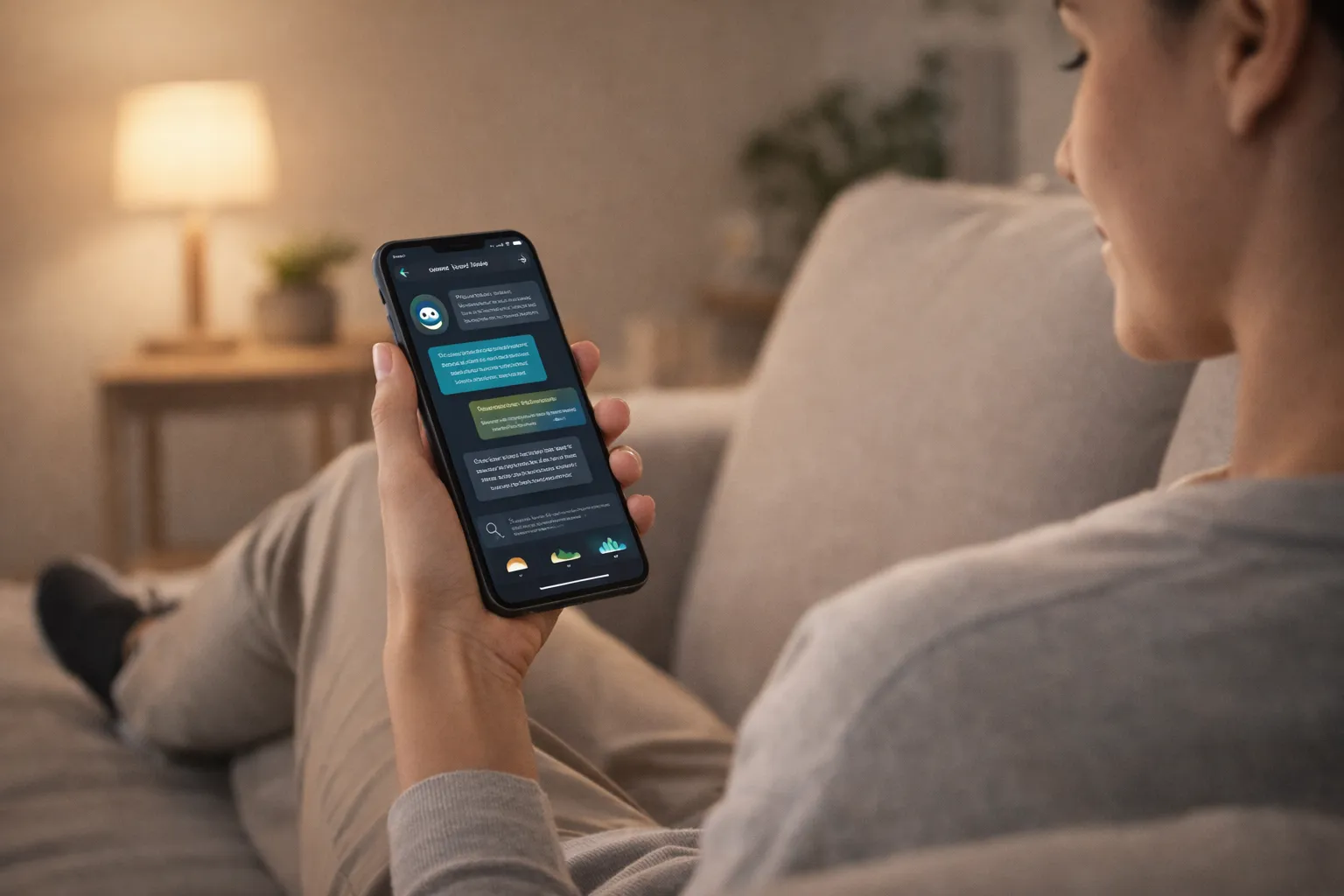
Mental health is a critical part of overall fitness, especially in 2026 when stress, burnout, and screen fatigue are more common than ever. Woebot focuses on mental fitness by using artificial intelligence to provide emotional support and evidence-based guidance.
Woebot is built around cognitive behavioral therapy (CBT) principles. Through friendly, conversational interactions, the app helps users recognize negative thought patterns, manage stress, and develop healthier emotional habits. Unlike traditional mental health apps that rely on static content, Woebot adapts conversations based on how you respond over time.
Key features:
- AI-powered mental health conversations available anytime
- Mood and stress tracking to identify emotional patterns
- Daily emotional check-ins for consistency and awareness
- Guided mindfulness and grounding techniques
One of Woebot’s biggest advantages is accessibility. Users can check in whenever they feel anxious, overwhelmed, or mentally exhausted — without appointments or waiting times. The AI responds with supportive prompts, practical exercises, and short reflections that fit easily into daily routines.
Woebot also works well alongside physical fitness apps. Mental clarity and emotional balance play a major role in workout consistency, recovery, and motivation. By reducing stress and improving focus, Woebot helps users stay committed to their fitness goals without burnout.
For people juggling work, family, and personal goals, mental wellness tools like Woebot can save time and reduce cognitive overload. This aligns with how AI is being used to improve efficiency in everyday life. Learn more here: How to Use AI Tools to Save Time.
While Woebot is not a replacement for professional therapy, it serves as a valuable daily mental fitness companion. Its AI-driven approach makes mental wellness more approachable, consistent, and practical for modern lifestyles.
5. MyFitnessPal – AI Nutrition & Calorie Tracking
MyFitnessPal has grown far beyond a basic calorie counter and is now a powerful AI-driven nutrition and health tracking platform. In 2026, it uses artificial intelligence to help users understand eating habits, make smarter food choices, and maintain a balanced diet over the long term.
The app allows users to log meals easily while AI analyzes calorie intake, macronutrient balance, and portion sizes. Over time, MyFitnessPal identifies patterns in your eating behavior and offers personalized recommendations to support weight loss, muscle gain, or overall health.
Key features:
- AI-powered meal and portion recommendations
- Accurate calorie and macronutrient tracking
- Smart food insights based on eating habits
- Seamless integration with fitness and workout apps
One of MyFitnessPal’s biggest strengths is how it connects nutrition with fitness. When synced with workout and activity apps, the platform adjusts calorie targets based on how active you are. This creates a more realistic and sustainable approach to diet planning instead of rigid calorie limits.
The AI also helps users make better everyday decisions. For example, it may suggest healthier alternatives to frequently logged foods or highlight hidden sugar and sodium in meals. These small adjustments add up over time and make healthy eating easier to maintain.
For users who want long-term results, MyFitnessPal focuses on awareness rather than restriction. By showing clear data and trends, it helps people develop healthier relationships with food instead of following extreme diets.
Since MyFitnessPal often runs in the background and syncs data with other apps, it’s a good idea to keep your device optimized. If you notice higher battery usage, this guide can help: Apps That Drain Battery in Background on Android.
Best for: Users focused on weight loss, diet control, and building sustainable, healthy eating habits with AI-powered guidance.
AI Fitness Apps and Wearable Integration
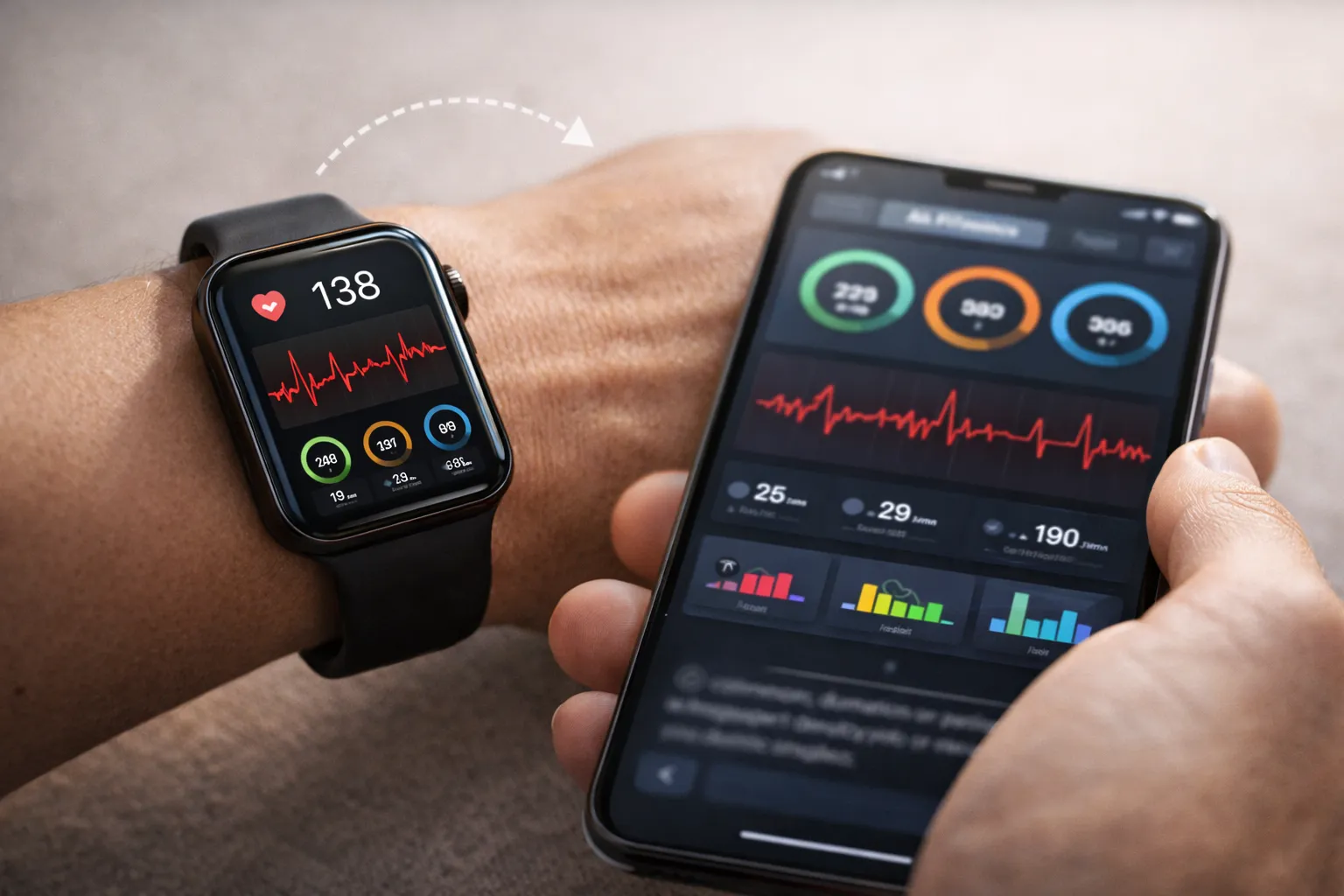
AI fitness apps become significantly more powerful when paired with smartwatches and fitness trackers. In 2026, wearable integration plays a major role in delivering accurate, real-time health insights that help users train smarter and recover better.
By syncing with devices such as smartwatches and fitness bands, AI fitness apps collect continuous health data throughout the day. This allows the system to understand not just your workouts, but also how your body responds outside the gym.
Common data points collected through wearable integration include:
- Heart rate variability to assess recovery and stress levels
- Sleep quality and sleep stages for recovery analysis
- Calories burned during workouts and daily activity
- Recovery readiness based on recent training and rest
This real-time data enables AI fitness apps to personalize workouts more accurately. For example, if your wearable shows poor sleep or elevated stress, the app may reduce workout intensity or suggest active recovery instead of a hard training session. On days when recovery metrics are strong, the AI can safely increase training load for better results.
Wearable integration also improves long-term consistency. By tracking trends over time, AI can identify patterns that may affect performance, such as irregular sleep schedules or high stress levels. This helps users make small adjustments that lead to better overall health.
Another advantage is automation. Users no longer need to manually log workouts or recovery data. Everything is synced automatically, allowing the app to focus on intelligent decision-making rather than basic tracking.
However, running multiple fitness apps and wearables together can impact phone performance over time. If your device starts feeling slow, optimizing your phone can help ensure smooth tracking and better battery life. You can follow this guide: How to Speed Up Your Android Phone.
Overall, wearable integration turns AI fitness apps into complete health systems, delivering more accurate personalization, safer training, and smarter long-term progress.
Future Trends in AI Fitness Apps
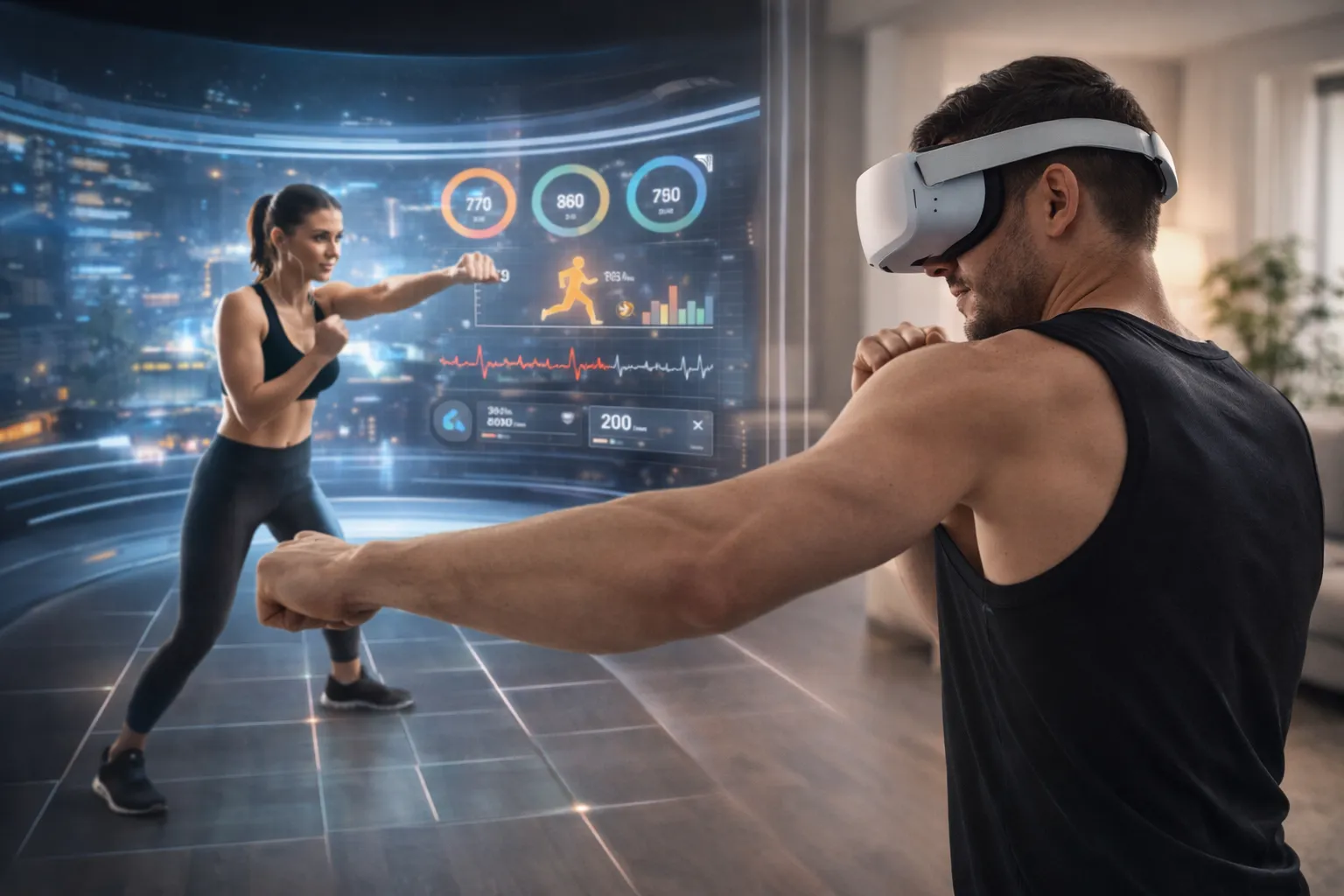
AI-powered fitness apps are evolving rapidly, and the next phase of innovation is focused on making workouts more interactive, adaptive, and human-like. As artificial intelligence becomes more advanced, fitness apps are moving beyond basic tracking toward real-time guidance and deeper personalization.
One of the most impactful trends is real-time form correction using camera-based AI. By analyzing body movements through your smartphone camera or connected devices, AI can detect incorrect posture and provide instant feedback. This helps users exercise safely at home without needing a physical trainer.
Voice-based AI fitness coaches are also becoming more common. Instead of reading instructions on a screen, users can receive spoken guidance, motivation, and timing cues during workouts. This hands-free experience improves focus and makes workouts feel more natural and engaging.
Another emerging trend is emotion-aware workout recommendations. AI systems are starting to analyze behavioral patterns, tone of interaction, and wearable data to understand a user’s emotional state. Based on this, apps can suggest calming recovery sessions on stressful days or more energetic workouts when motivation is high.
AI-powered sleep and recovery optimization is also gaining importance. Future fitness apps will place greater emphasis on rest, sleep quality, and recovery readiness. By analyzing sleep data and daily fatigue levels, AI can recommend when to train hard and when to rest, leading to safer and more sustainable fitness progress.
Finally, VR and AR-based immersive workouts are shaping the future of home fitness. Virtual environments such as guided hikes, interactive boxing sessions, or immersive studio classes make workouts more enjoyable and reduce boredom, helping users stay consistent long term.
Together, these trends show that AI fitness apps are shifting from simple tracking tools to intelligent wellness companions. As technology advances, users can expect fitness experiences that are safer, more motivating, and deeply personalized.
Final Verdict
AI-powered fitness apps in 2026 make staying healthy easier, smarter, and more personalized than ever before. Instead of following generic routines, users now have access to intelligent systems that adapt workouts, nutrition, recovery, and mental wellness to their individual needs.
Each AI fitness app serves a different purpose, and choosing the right one depends on your personal goals and lifestyle:
- Freeletics – Ideal for building consistency and maintaining flexible workout routines that fit into busy schedules.
- Fitbod – Best for users focused on strength training and muscle growth using recovery-based AI planning.
- Future Fitness – Perfect for those who want premium accountability with a combination of AI insights and real human coaching.
- Woebot – A strong choice for improving mental wellness, managing stress, and maintaining emotional balance.
- MyFitnessPal – Best suited for nutrition tracking, calorie control, and developing long-term healthy eating habits.
What makes AI-powered fitness apps truly valuable is their ability to work together as part of a complete wellness ecosystem. When physical training, nutrition, recovery, and mental health are aligned, results become more sustainable and long lasting.
These tools also support a more productive lifestyle by saving time, reducing decision fatigue, and eliminating guesswork. This reflects a larger trend of AI helping people optimize daily routines beyond fitness. To explore this further, read: AI Tools Changing the Future of Work.
In the end, the best AI fitness app is the one you can stick with consistently. By choosing a platform that matches your goals and habits, you can build a healthier routine that fits naturally into your life — not just in 2026, but for years to come.