Top 5 Free AI Chat Apps Like ChatGPT (2026 Complete Guide)
AI chat apps have quickly become everyday tools for writing, learning, research, and productivity. While ChatGPT remains one of the most well-known AI assistants, it is no longer the only powerful option available. In 2026, several free AI chat apps now offer advanced features such as natural conversation, content generation, coding help, image understanding, and real-time answers.
The rapid adoption of these tools is part of a larger shift explained in our guide on how AI tools are shaping the future of work, where conversational AI plays a major role in automation and productivity.
Many users search for free AI chat apps like ChatGPT because they want flexibility, fewer usage limits, or tools better suited for specific tasks. This complete guide explains how AI chat apps work, why they are growing so fast, what limitations users face, and how to choose the best free AI chatbot for your daily needs.
📌 Table of Contents
- Overview: What Are AI Chat Apps?
- How AI Chat Apps Work Behind the Scenes
- Why AI Chat Apps Are Growing So Fast
- Common Use Cases of AI Chat Apps in Daily Life
- Problems Users Face With AI Chat Apps
- Limitations of Free AI Chat Apps
- Top 5 Free AI Chat Apps Like ChatGPT
- Quick Comparison: Which AI Chat App Is Best for You?
- How to Choose the Right AI Chat App
- Privacy, Data Usage, and Security Considerations
- Best Practices for Using AI Chat Apps Safely
- Final Verdict
Overview: What Are AI Chat Apps?
AI chat apps are applications powered by artificial intelligence that can understand natural language and respond in a conversational, human-like way. Unlike older rule-based chatbots that followed fixed scripts, modern AI chat apps use large language models trained on massive datasets, allowing them to understand context, intent, and follow-up questions naturally.
These apps are designed to act as digital assistants rather than simple Q&A tools. They adapt their responses based on how users interact with them, which makes conversations feel more natural and useful over time.
Today’s free AI chat apps are capable of handling a wide variety of everyday and professional tasks, including:
- Answering questions with detailed explanations instead of short replies
- Writing content such as emails, articles, captions, and summaries
- Explaining complex topics in simple, easy-to-understand language
- Helping with coding, debugging, and logic building
- Brainstorming ideas for projects, presentations, and creative work
Because of this versatility, AI chat apps are now widely used by:
- Students for learning, exam preparation, and concept clarification
- Professionals for writing, research, and productivity support
- Creators for scripting, ideation, and content planning
- Developers for quick coding help and problem-solving
Most free AI chat apps are available across Android, iOS, and web platforms, making them accessible anytime and from any device. As these tools continue to improve in speed and accuracy, they are increasingly replacing multiple standalone apps, helping users save time, storage space, and effort.
How AI Chat Apps Work Behind the Scenes

AI chat apps may look simple on the surface, but a lot happens behind the scenes every time you type a question. Instead of searching for exact keywords like a traditional search engine, these apps analyze the meaning, context, and intent of your message before generating a response.
At the core of most AI chat apps are large language models (LLMs). These models are trained on massive amounts of text data such as books, articles, websites, and code repositories. This training allows AI chat apps to understand how language works and respond in a way that feels natural and conversational.
This rapid evolution of AI assistants is part of a broader shift explained in our guide on how AI tools are shaping the future of work, where automation and intelligent assistants are becoming everyday productivity tools.
Here is a simplified breakdown of how AI chat apps process your input:
- Input understanding: The app analyzes your message to identify intent, topic, and context rather than relying only on exact words.
- Context awareness: Previous messages in the conversation are considered to keep replies relevant and consistent.
- Response generation: The AI predicts the most suitable response based on learned language patterns.
- Safety and filtering: Content moderation, formatting rules, and relevance checks are applied before the response is shown.
Some AI chat apps go beyond basic text generation by connecting with external systems. This allows them to:
- Access real-time information such as current events or live data
- Search the web to provide updated answers
- Integrate with productivity tools like documents, calendars, or email
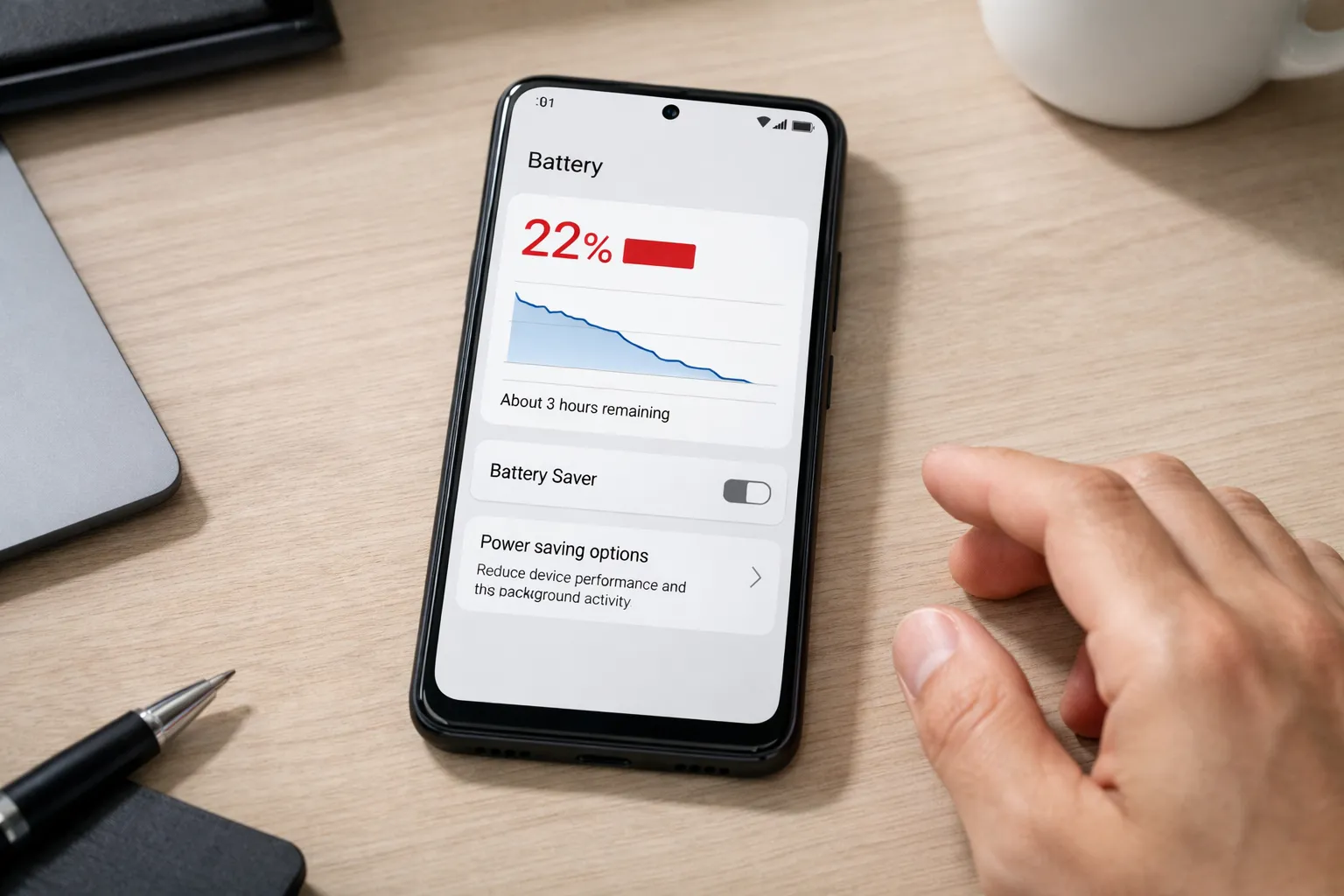
On mobile devices, AI chat apps are optimized to balance performance and efficiency. However, apps that stay active in the background or fetch data frequently can impact battery life and system performance. If your phone feels warm or slow after using multiple AI apps, reviewing unnecessary apps running on Android can help restore stability.
In some cases, heavy background activity from multiple apps can also contribute to system-level battery drain. This behavior is closely related to issues explained in our guide on Android system battery drain without root.
Understanding how AI chat apps work helps set realistic expectations. These tools do not think like humans; they generate responses based on probability and learned patterns. For everyday tasks, they are extremely helpful, but for critical decisions, answers should always be verified.
Why AI Chat Apps Are Growing So Fast

The rapid rise of AI chat apps is not a trend driven by hype alone. These tools solve real, everyday problems by reducing the time and effort required to complete common tasks. Instead of switching between search engines, writing tools, note apps, and productivity software, users can rely on a single AI assistant for multiple needs.
One of the biggest reasons behind this growth is instant, conversational access to information. Unlike traditional search, where users must open multiple links and filter answers manually, AI chat apps deliver direct responses in seconds.
AI chat apps are growing fast because they offer clear advantages:
- Faster decision-making: Users get clear explanations and suggestions without digging through search results.
- All-in-one productivity support: Writing, rewriting, summarizing, planning, and brainstorming happen in one place.
- Learning made simpler: Complex topics can be explained step-by-step in plain language.
- Coding and technical help: Developers and students use AI chat apps to debug code and understand logic faster.
- Mobile-first convenience: Most AI chat apps work smoothly on Android and iOS, making them easy to use anywhere.
Another major growth factor is the increasing role of AI in work, education, and digital services. As businesses and individuals adopt AI-powered tools, chat-based assistants have become the most approachable entry point into artificial intelligence.
Free access also plays a key role. Many AI chat apps offer powerful features at no cost, which encourages users to experiment and integrate them into daily routines without long-term commitments.
However, this rapid adoption has a downside. Installing too many AI or utility apps can increase background activity, data usage, and battery drain. To maintain performance, it’s important to review unnecessary apps on Android and keep only the tools you actively use.
Common Use Cases of AI Chat Apps in Daily Life
AI chat apps are no longer limited to answering random questions. In everyday life, they are used as practical assistants that help people save time, reduce mental effort, and complete tasks more efficiently. Their flexibility allows users from different backgrounds to apply them in ways that fit their daily routines.
Some of the most common real-world use cases of AI chat apps include:
- Writing and communication support: Users rely on AI chat apps to write emails, messages, captions, and short articles. They are also useful for rewriting content in a clearer or more professional tone.
- Learning and study assistance: Students use AI chat apps to understand difficult topics, summarize long notes, and prepare explanations in simple language. This makes them especially helpful for quick learning and revision.
- Work and productivity tasks: Professionals use AI chat apps to generate ideas, draft reports, create outlines, and organize thoughts. These tools are becoming a key part of modern workflows, as discussed in our guide on how AI tools are shaping the future of work.
- Coding and technical help: Developers and learners use AI chat apps for code explanations, debugging logic, and understanding programming concepts without searching through multiple forums.
- Everyday problem-solving: From planning travel itineraries to explaining app settings, AI chat apps help users solve small daily problems quickly without deep technical knowledge.
On mobile devices, AI chat apps are often used alongside other utility and productivity apps. However, installing too many helper apps can increase background activity and resource usage. If your phone feels slower over time, reviewing and removing apps you no longer actively use can help improve overall performance.
In some cases, frequent AI usage combined with other background-heavy apps can contribute to battery drain or overheating. Managing system activity properly, as explained in our guide on Android system battery drain, helps keep AI chat apps running smoothly without affecting overall device stability.
When used thoughtfully, AI chat apps become reliable daily companions rather than just experimental tools. Their value lies in solving small but frequent problems efficiently, which is why they continue to gain adoption across education, work, and personal use.
Problems Users Face With AI Chat Apps
Free AI chat apps offer impressive capabilities, but they also come with limitations that users should understand before relying on them for important tasks. These issues do not make AI chat apps unusable, but knowing their drawbacks helps set realistic expectations.
Some of the most common problems users experience with AI chat apps include:
- Usage limits on free plans: Many AI chat apps restrict the number of messages or interactions users can have each day, which can interrupt workflows during heavy usage.
- Inaccurate or outdated responses: AI-generated answers are based on learned patterns and may sometimes be incomplete, outdated, or incorrect, especially for rapidly changing topics.
- Privacy and data concerns: Conversations may be stored or processed on remote servers. Users who share sensitive personal or work-related information may face privacy risks if app policies are unclear.
- Dependence on internet connectivity: Most AI chat apps require an active internet connection, limiting their usefulness in low-network environments.
- Background activity and resource usage: Some AI chat apps remain active in the background for syncing, updates, or notifications, which can increase battery drain and mobile data usage.
When multiple AI or utility apps run simultaneously, their combined background activity can slow down devices, especially on mid-range phones. In such cases, reviewing unnecessary apps installed on Android can help reduce system load and improve performance.
Battery drain caused by background-heavy apps is often linked to system-level processes staying active longer than necessary. Managing these issues properly, as explained in our guide on Android system battery drain fixes, helps ensure AI chat apps run smoothly without affecting overall device stability.
Understanding these challenges allows users to use AI chat apps more effectively. When treated as supportive tools rather than perfect solutions, AI chat apps deliver the best value while minimizing frustration.
Limitations of Free AI Chat Apps
Free AI chat apps are powerful, but they are not designed to replace professional tools or human judgment entirely. Understanding their limitations helps users avoid frustration and use these tools more effectively.
One of the most noticeable limitations is usage restrictions. Free versions often come with daily message caps, slower response times during peak hours, or limited access to advanced features. For casual use this may be fine, but for long writing sessions, research-heavy tasks, or frequent queries, these limits can interrupt productivity.
Another challenge is accuracy and reliability. AI chat apps generate responses based on patterns learned from training data, not real-time understanding. As a result, answers may occasionally be incomplete, outdated, or overly confident even when incorrect. This is especially important when dealing with technical, financial, or health-related information, where verification from trusted sources is essential.
Privacy and data handling is also a concern for many users. Conversations are typically processed on remote servers, and some apps may store chat history to improve models or provide continuity. While most reputable platforms follow security standards, users should avoid sharing sensitive personal details, passwords, or confidential work information.
On mobile devices, performance impact can become an issue. AI chat apps often rely on background syncing, notifications, or frequent data access. When combined with other utility or productivity apps, this can contribute to increased battery drain, data usage, and occasional device heating. If your phone starts feeling slow, reviewing unnecessary apps installed on Android can help reduce background load.
Free AI chat apps also depend heavily on internet connectivity. Without a stable connection, most features stop working entirely, which limits their usefulness in low-network environments.
Finally, it’s important to understand that free AI chat apps are designed as assistive tools, not decision-makers. They work best when used to support thinking, not replace it. As AI continues to evolve and shape workflows — as discussed in the future of AI tools at work — users who understand these limitations will get far more value while avoiding common pitfalls.
Top 5 Free AI Chat Apps Like ChatGPT
1. ChatGPT
ChatGPT is one of the most widely used AI chat apps and is known for its balanced performance across many tasks. It works well for everyday writing, explanations, learning, coding assistance, and creative brainstorming.
The free version is suitable for most users who want help with emails, blog drafts, summaries, idea generation, and basic programming questions. ChatGPT understands context well, which allows conversations to flow naturally across multiple messages.
However, the free plan has certain limitations such as usage caps and restricted access to advanced features. Despite this, it remains a reliable choice for users looking for a general-purpose AI assistant.
2. Google Gemini
Google Gemini is designed for users who are deeply integrated into Google’s ecosystem. It works smoothly with Google Search and is particularly strong at answering real-time and fact-based questions.
Gemini is useful for research, productivity tasks, and general knowledge queries. It can help summarize information, explain concepts, and assist with writing while maintaining close alignment with Google services.
For Android users and those who frequently use Gmail, Docs, and other Google tools, Gemini feels more native and convenient compared to standalone AI chat apps.
3. Microsoft Copilot
Microsoft Copilot focuses heavily on professional and workplace productivity. It is best suited for users who regularly work with documents, spreadsheets, presentations, and emails.
Copilot is particularly helpful for drafting content, summarizing reports, analyzing data, and improving writing quality in professional settings. Its strength lies in structured tasks rather than casual conversation.
If your daily workflow involves Microsoft Office tools, Copilot can feel more practical than general-purpose AI chat apps.
4. Poe AI
Poe AI is unique because it allows users to access multiple AI models within a single app. Instead of relying on one assistant, users can switch between different AI personalities and styles.
This makes Poe especially useful for experimenting, comparing responses, or choosing different writing tones. Creators and advanced users often prefer Poe for testing ideas across models.
While Poe may not replace a single dedicated AI app for everyone, it is valuable for users who want flexibility and experimentation.
5. Perplexity AI
Perplexity AI is designed with research and accuracy in mind. Unlike many AI chat apps that generate responses without references, Perplexity often includes sources with its answers.
This makes it a strong choice for students, researchers, and users who want quick, fact-checked information. It works more like an AI-powered search engine than a creative writing assistant.
Perplexity is ideal when verifying facts, learning new topics, or exploring information where credibility matters more than creative output.
For a direct comparison between popular options, see our detailed guide on ChatGPT vs Gemini vs Copilot.
Quick Comparison: Which AI Chat App Is Best for You?
If you are confused about which AI chat app to use, a quick comparison based on real-world usage can make the choice much easier. While all AI chat apps aim to answer questions and assist users, each one performs better in specific scenarios.
Below is a simple breakdown to help you decide which AI chat app fits your needs best:
- Best for writing, creativity, and long responses:
ChatGPT and Poe perform well for blog writing, emails, storytelling, explanations, and brainstorming ideas. These apps focus on natural language flow and detailed responses. - Best for research and fact-checking:
Perplexity AI is ideal if you want short, clear answers with sources. It works more like an AI-powered search engine and is useful for students and researchers. - Best for office and productivity tasks:
Microsoft Copilot is designed for professional use cases like documents, presentations, spreadsheets, and email drafts, especially for users already working in Microsoft tools. - Best for Android and Google users:
Google Gemini integrates smoothly with Google Search, Gmail, Docs, and Android features, making it convenient for users already in the Google ecosystem. - Best for trying multiple AI models:
Poe allows access to different AI models in one place, which is helpful if you want to compare answers or experiment without installing multiple apps.
Beyond features, also consider performance impact on your phone. Running multiple AI chat apps at the same time can increase background activity, battery drain, and mobile data usage. If your device starts feeling slow, reviewing unnecessary apps on Android can help keep performance stable.
In short, there is no single “best” AI chat app for everyone. The right choice depends on whether your priority is writing, research, productivity, or ecosystem integration. Many users get the best results by using one primary AI app and keeping others only when needed.
How to Choose the Right AI Chat App
Choosing the right AI chat app depends less on popularity and more on how you plan to use it daily. While most AI chat apps appear similar on the surface, their strengths vary based on writing quality, accuracy, integrations, and performance. Understanding your primary goal helps you avoid installing multiple overlapping apps.
Start by identifying what you want the AI chat app to help you with most:
- Writing, creativity, and idea generation: Apps like ChatGPT or Poe are better suited for long form writing, storytelling, rewriting content, and brainstorming ideas.
- Research and fact-focused answers: If accuracy and sources matter, Perplexity AI is a better choice because it focuses on search-backed responses rather than purely generated text.
- Office and productivity work: Microsoft Copilot works well for users who rely on documents, emails, spreadsheets, and professional workflows.
- Google ecosystem workflows: Google Gemini is ideal if you frequently use Google Search, Gmail, Docs, or Android features.
Next, consider usage limits and free plan restrictions. Some AI chat apps limit the number of daily messages, slow responses during peak hours, or restrict advanced features to paid plans. If you plan to use AI frequently, testing limits early helps avoid workflow interruptions.
Privacy and data handling should also influence your decision. If you work with sensitive information, review how the app stores conversations and whether chat history can be disabled. Using AI responsibly is especially important as these tools become more integrated into daily work, as discussed in how AI tools are shaping the future of work.
On mobile devices, performance impact matters. AI chat apps that sync frequently or stay active in the background can increase battery drain and data usage. If your phone feels slower after installing multiple AI or helper apps, reviewing and removing apps you no longer actively use can help restore balance.
Finally, avoid relying on a single AI app for everything. Many users get the best results by using one AI chat app for writing and another for research or productivity. Testing two or three options for a few days will quickly show which app fits your workflow without overloading your device.
Privacy, Data Usage, and Security Considerations

While AI chat apps are powerful and convenient, they also handle a large amount of user input. Understanding how privacy, data usage, and security work behind the scenes is essential before relying on any free AI chat app for daily tasks.
Most free AI chat apps process conversations on cloud servers, which means your queries are sent over the internet for analysis and response generation. This makes it important to know what kind of data is collected and how it is used.
- Conversation data storage:
Some AI chat apps store conversations temporarily to improve responses or train models. While this helps improve accuracy, users should avoid sharing personal, financial, or sensitive information in chats. - Account-based tracking:
Apps that require sign-in with Google or Microsoft accounts may associate conversations with your profile. Reviewing account activity and permissions helps reduce unnecessary data exposure. - Mobile data usage:
AI chat apps rely heavily on internet access. Frequent usage, background syncing, or auto-updates can increase mobile data consumption, especially on free plans. If data drains faster than expected, reviewing apps using too much mobile data in the background can help identify the cause. - Background activity and battery impact:
Some AI apps stay active in the background for syncing or notifications. This can quietly affect battery life and performance. Managing background access or following Android system battery drain fixes helps keep the device stable. - Permissions and system access:
AI chat apps may request permissions such as storage access, microphone (for voice input), or notification access. Always grant only what is necessary and review permissions regularly using Android’s built-in controls or the Android Privacy Dashboard. - Security and fake AI apps:
Not all AI chat apps on app stores are trustworthy. Some clone popular AI names to collect data or show ads. Removing suspicious or unused apps helps reduce privacy risks and prevents unnecessary background activity.
In short, AI chat apps are safe for general use when used wisely. Keeping conversations non-sensitive, controlling permissions, and monitoring background activity ensures a balance between convenience, privacy, and device performance in 2026.
Best Practices for Using AI Chat Apps Safely
AI chat apps are powerful assistants, but they should be used responsibly. Avoid treating AI-generated responses as absolute truth, especially for sensitive or critical decisions.
- Do not share personal, financial, or confidential data
- Cross-check important information from trusted sources
- Review app permissions and background activity
Keeping background usage under control not only protects privacy but also improves phone performance, as explained in our guide on apps using too much mobile data in the background.
Final Verdict
Free AI chat apps like ChatGPT have reshaped how users interact with technology. In 2026, there are several strong alternatives that offer unique strengths depending on your needs, whether it’s writing, research, productivity, or learning.
Instead of relying on a single AI tool, the smarter approach is to choose an app that fits your purpose, use it responsibly, and stay aware of its limitations. Managing permissions, reviewing background activity, and avoiding unnecessary AI apps plays an important role in maintaining performance. If your phone starts feeling slow, reviewing unnecessary apps installed on Android can make a noticeable difference.
When combined with good Android optimization habits—such as controlling background usage and monitoring battery behavior explained in Android system battery drain fixes—AI chat apps can significantly boost productivity without compromising performance or privacy.